
Find Who Owns a Kane Property
Every Kane County address search for an owner has one natural starting point. That is the Assessor's EagleWeb Account Search. You can query by situs address or by owner name if you already know it. Open the matching account. Jot down the Account Number, Parcel Number, owner, situs, mailing address, and legal description. That owner field reflects the name tied to the public account. It cannot promise that every recent transfer has posted to the roll.
The Recorder's Document Search is the natural second step. A deed names its grantor and grantee, the parties who give and receive the interest. Match the newest instrument's legal description to your parcel. Then record its reference number and date. Working from address to assessor to deed gives a far more reliable answer about who owns the parcel in public records. That beats a name match alone.
- Find the parcel in EagleWeb Account Search by address, owner, account, or parcel number.
- Write down the owner name, mailing and situs addresses, parcel key, and legal description.
- Search the Recorder index for a deed under the current name and compare the description.
- If the owner is an entity, check its exact legal name in Utah's business filing search.
- Use the tax or map system only to confirm the same account and parcel, not to replace the deed.
Kane County Owner Sources
Several Kane County records can name an owner, but each serves a distinct function. The assessment roll ties a name to an account. A deed documents a transfer between parties. A parcel map locates the land itself. A state business filing identifies an entity, not necessarily every person holding an interest in the property. The source table helps keep each result in its proper role.
Where Kane County Owner Information Comes From
The Kane County Assessor account supplies the name attached to the annual assessment roll. The Recorder's deed index names the parties to recorded transfers. It also points toward the instrument documenting each conveyance. Treasurer and GIS records can help you match an account with a parcel. But they are not independent proof of title. When a recorded owner is a Utah company, the State's business filing system confirms the entity's registered name and filing status. Even so, it cannot establish who owns a particular parcel.
| Source | Owner Info It Gives | Access |
|---|---|---|
| Kane Assessor | Owner and address information attached to an account | Free EagleWeb Account Search |
| Kane Recorder | Grantor, grantee, and recorded transfer instruments | Free index; copy from Recorder |
| Utah business filings | Entity name, status, registered agent, and filings | Public business search |
| Kane GIS | Parcel geometry and a parcel identifier | Public reference map/service |
A county account name never tells you who is physically present at the property. The mailing address may simply be a notice address. The legal owner could be a trust. It could be an estate or an entity rather than a named individual. For current owner-of-record fields and timing details, see the Kane County current owner record page. The recorded deed remains the transfer source to verify.
Kane Mailing and Situs Clues
The situs address marks where the parcel sits. The mailing address marks where notices go. Kane Recorder treats the deed's completed mailing address as controlling. The owner can change it by filing an address-change request. A Kane County property search can easily surface a mail destination. That destination may sit nowhere near the parcel. Never treat the mailing line as proof of where the owner lives.
Municipal address origins matter here too. Kanab runs along Center Street, US 89, and Main Street. Orderville uses State Street and Center Street. Big Water sits on US 89 and Arron Burr Drive. Include the town in any address query when one road corridor threads through several communities. When an address stays ambiguous, the parcel number or legal description settles it.
Kane's January 1 Owner Snapshot
The Kane Assessor roll uses the legal owner of record as of January 1. A deed recorded after that date generally appears in assessment records the following year. When a sale is recent, the latest Recorder instrument may name a new grantee while the annual roll still lists the person who owned the parcel on the assessment date.
The County notes that EagleWeb can display current ownership or acreage with last-year taxable values and taxes linked to the former owner. Record the office and date for each result, and compare the Recorder's recording date with the assessment year. This is the key timing check when asking who owns this property today.
Note: The assessment date explains a name mismatch, but it does not replace checking the newest recorded deed.
Trusts, Estates, and LLC Owners
A deed can name a trustee, trust, estate, personal representative, heir, or company as the grantee. Those labels describe the recorded party and that party's capacity. Kane's Document Search covers trust deeds, deeds to revocable trusts, personal representative deeds, heir's deeds, and deeds of distribution. It also covers letters and probate-related instruments. Always search the same parcel and legal description. That keeps a similarly named entity from being mistaken for the owner of a different property.
Utah's Division of Corporations and Commercial Code runs a business search. It covers entity name, status, registered agent, and filing history. That lookup can explain a record name. It cannot prove ownership of any particular Kane parcel. The State's official business-search entry point displays these filing options. It operates as a file system entirely separate from the county land index.
Utah provides the official corporation and business filing search here.
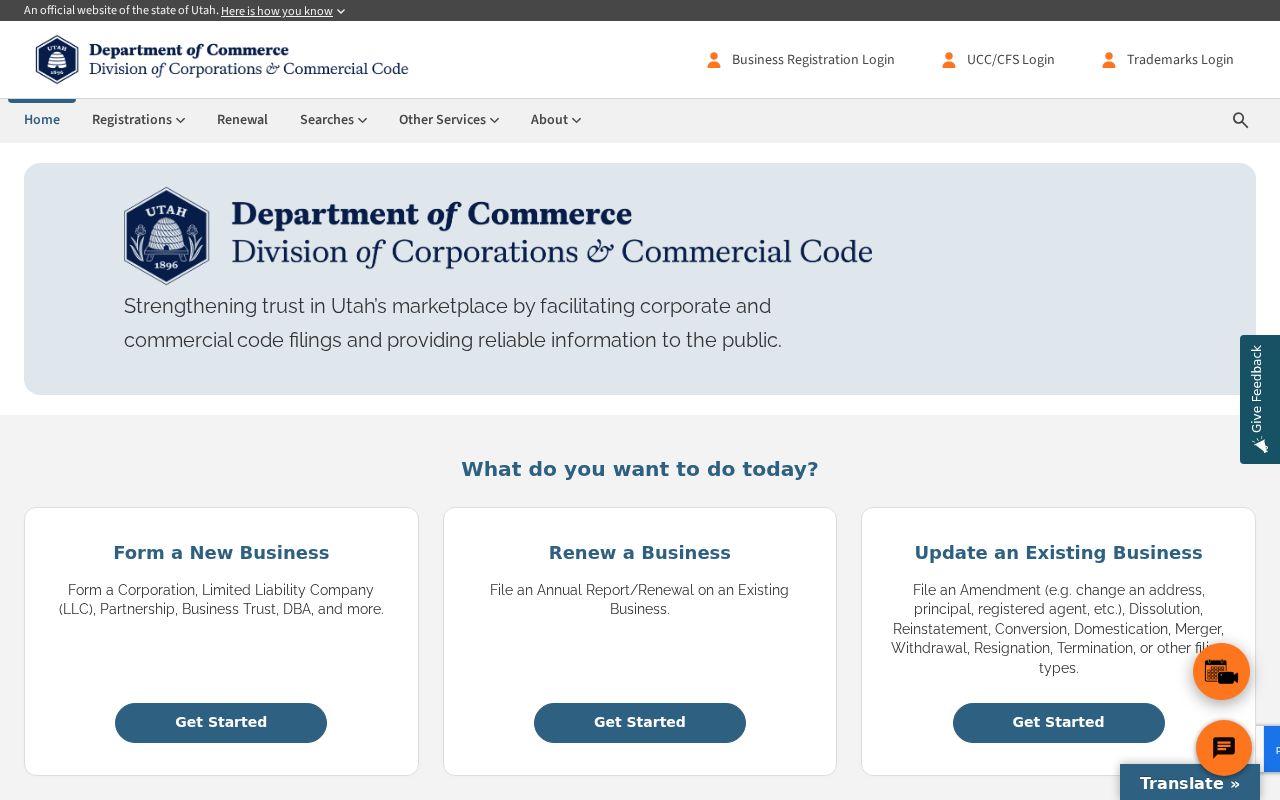
Use the entity result to interpret the grantee name listed in Kane County property records. Then return to the deed and parcel record for property-specific confirmation.
Property Watch After an Owner Search
Kane County offers a free Property Watch service for owners who want activity tracked on their own parcel. It flags new deeds, liens, and transfers. Enrollment takes an account number and a valid email. Alerts start once the signup is complete. The tool works best after an owner has confirmed the right account, and it cannot settle who owns an unrelated property or vouch that a filing is valid.
An unexpected alert deserves a closer look. Pull the document in the Recorder's index and request the official image from the office. The County says to call law enforcement. Suspected fraud reported through an alert goes straight to them. Watching an account is a follow-up to the ownership trail, never a substitute for title review.
Protected Kane Address Records
Utah's GRAMA law sorts government records into public, private, controlled, and protected categories. Even a public property entry can carry details that must be withheld. That separation matters. The state's Safe at Home program shields a participant's actual address from disclosure by state and local government. Exceptions apply only where the law authorizes them. Don't try to reconstruct a protected address.
A privacy question on a Kane record goes to the custodian first. Ask which classification or redaction process applies. A narrow GRAMA request should name the record sought and give parcel context. The law provides an administrative appeal route for anything withheld. The trail serves due diligence and civic research, never the targeting of a person.
Put your request in writing. Identify yourself and a response contact. Then describe the specific record. Use a parcel key, record type, party name, or date range. Ordinary requests get ten business days. A qualifying public-interest request may use five business days. Custodians may charge actual costs. A withholding decision should identify its basis and point to the administrative appeal route.
Utah voter-registration data follows a separate access process, with public and protected At-Risk categories. It is not a Kane title or ownership source. The State explains voter-file access and its safeguards here.
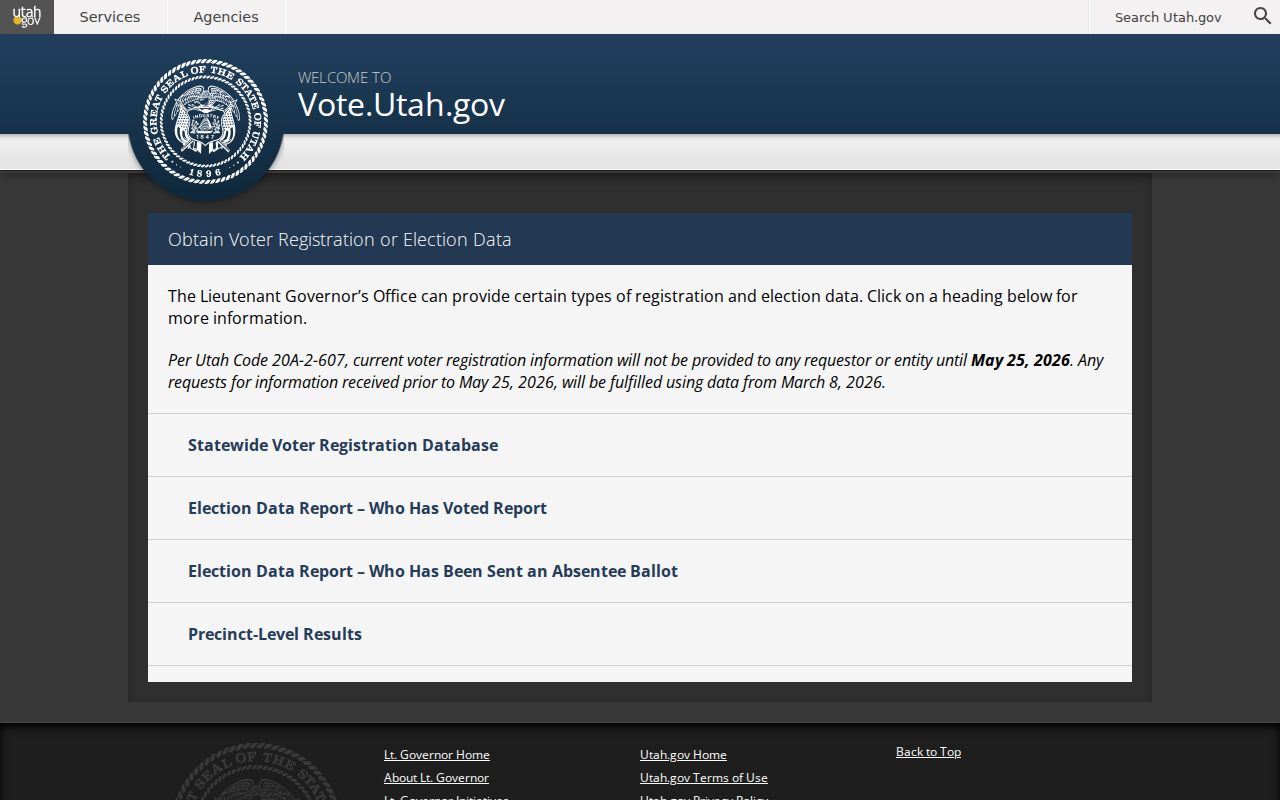
Voter files answer a different question. To verify who owns a parcel in Kane County, use the Assessor's property records and the Recorder's deed records rather than the voter file.
Limits of a Kane Owner Lookup
A public account tells you the owner of record named in a county record. That is its limit too. It does not reveal every beneficial interest. It also does not show a current mailing location, or a legal opinion on title. EagleWeb is convenience information. The offices behind it update on different schedules. The Recorder cautions that its index may miss a judgment or encumbrance. Have a professional review the record and title work before any purchase or boundary decision.
Lawful use. A Kane County owner lookup is for property due diligence, history, and civic research. Do not use names or addresses to stalk, harass, impersonate, or harm anyone. Protected-address rules still apply.
Trace the deed chain backward. Follow grantors and grantees from deed to deed. An earlier deed is evidence of a prior recorded transaction, not proof that every later claim was ever resolved.