
Tracing Kane County Former Owners
Begin with the newest deed tied to the parcel. Then step back through grantees and grantors, transfer by transfer. Each row of the worksheet is a research path, not a filled-in sample. Kane's online index publishes no populated example and no earliest deed year. Pull every detail from the actual instrument itself. Keep the legal description beside each name pair. That way the chain stays tied to the same land.
| Source | Years It Covers | Where Held | What It Shows |
|---|---|---|---|
| Latest deed | Enter date from deed | Kane Recorder / EagleWeb index | Current grantor, grantee, and legal description |
| Prior acquisition | Search backward; cutoff not verified | Recorder index and in-office books | Earlier grantee and conveyance reference |
| Historic land series | Complete year run not verified | Recorder and Utah State Archives | Deed, mortgage, grantor/grantee, plat, and map series |
| Kane probate index | 1864-1896; minutes book B, 1878-1896 | Utah Archives / FamilySearch | Estate and court leads, not a full deed chain |
Use the Recorder index for recent transfers. For older entries, ask which in-office index applies: grantor, grantee, tract, deed book, or microfilm. The Utah Archives catalog identifies the right series. FamilySearch holds the probate material. Exact deed-book year coverage is unpublished, and no local city-directory run is confirmed, so never borrow a date range from a neighboring county.
Walking the Kane Chain Backward
Every Kane chain runs backward. It moves from a later grantee to the grantor who conveyed the parcel. Names repeat across people, trusts, estates, and entities. Compare the legal description at each step. A quitclaim, heir deed, or personal representative deed may mark a change in interest or authority rather than a typical open-market sale.
- Find the latest deed associated with the current parcel and copy the legal description and parties.
- Search the grantee name as a grantor to find the next later instrument, then identify the prior deed.
- Search the earlier grantor as grantee to locate that party's acquisition.
- Repeat while checking legal descriptions, dates, and any re-recorded or corrected instrument.
- When a name or transfer is unclear, compare probate authority, plat changes, and county jurisdiction for that date.
- Grantor
- The party transferring an interest in a deed.
- Grantee
- The party receiving the interest.
- Chain of title
- Recorded transfer sequence for the same parcel.
- Legal description
- Written land identifier that can persist when street addresses change.
Kane's Online Index Gap
Kane publishes no confirmed first year for its online deed index. The Recorder and Archives do name historic land-title series. Full year ranges must come from a finding aid or the custodian. An empty search often reflects the index. Ask the office before calling a record absent.
Contact the Recorder for older owners. In-office grantor and grantee indexes, deed books, tract books, and microfilm are there, along with the Utah State Archives catalog for series, name indexes, and digital collections. Not every series is digitized. FamilySearch image access varies, and some images require a FamilySearch Center or library.
Following Kane Deed References
Every search should preserve the instrument reference, filing date, grantor, grantee, and legal description from each deed. Older books use volume and page. Modern indexes use a document reference. Kane publishes no single online number format, so read each record on its own terms. Locate any cited plat or survey first, before deciding the parcel description changed.
- Write the current parcel number and complete legal description from the best available record.
- Use the latest deed's grantee to identify the prior grantor and search that party's earlier acquisition.
- Compare book/page or instrument references with dates and land descriptions before adding a transfer to the chain.
- Check a release or reconveyance separately; it may close a lien, but it does not transfer ownership.
- Move from online search to Recorder books and Archives series when the dates or indexes stop.
- Grantor / grantee
- The conveying party and recipient named in a transfer.
- Chain of title
- The ordered sequence of past transfers for one parcel.
- Legal description
- The written land description used to match deeds across time.
Kane Probate and Estate Transfers
Probate explains why a former owner gives way to an heir, trustee, or personal representative. The Kane Recorder's type list is long. It covers heir deeds, personal representative deeds, deeds of distribution, probate judge's deeds, affidavits with death certificates, letters testamentary, and decrees determining heirs. A court order supplies the authority. The Recorder instrument records the transfer.
The Archives and FamilySearch collection describes a Kane Probate Index from 1864 to 1896. It also holds probate minutes book B from 1878 to 1896. Those holdings aid earlier ownership research but do not put every Kane estate file online. Later public court cases may appear in Utah Courts Xchange. Sealed or restricted material stays outside a public search.
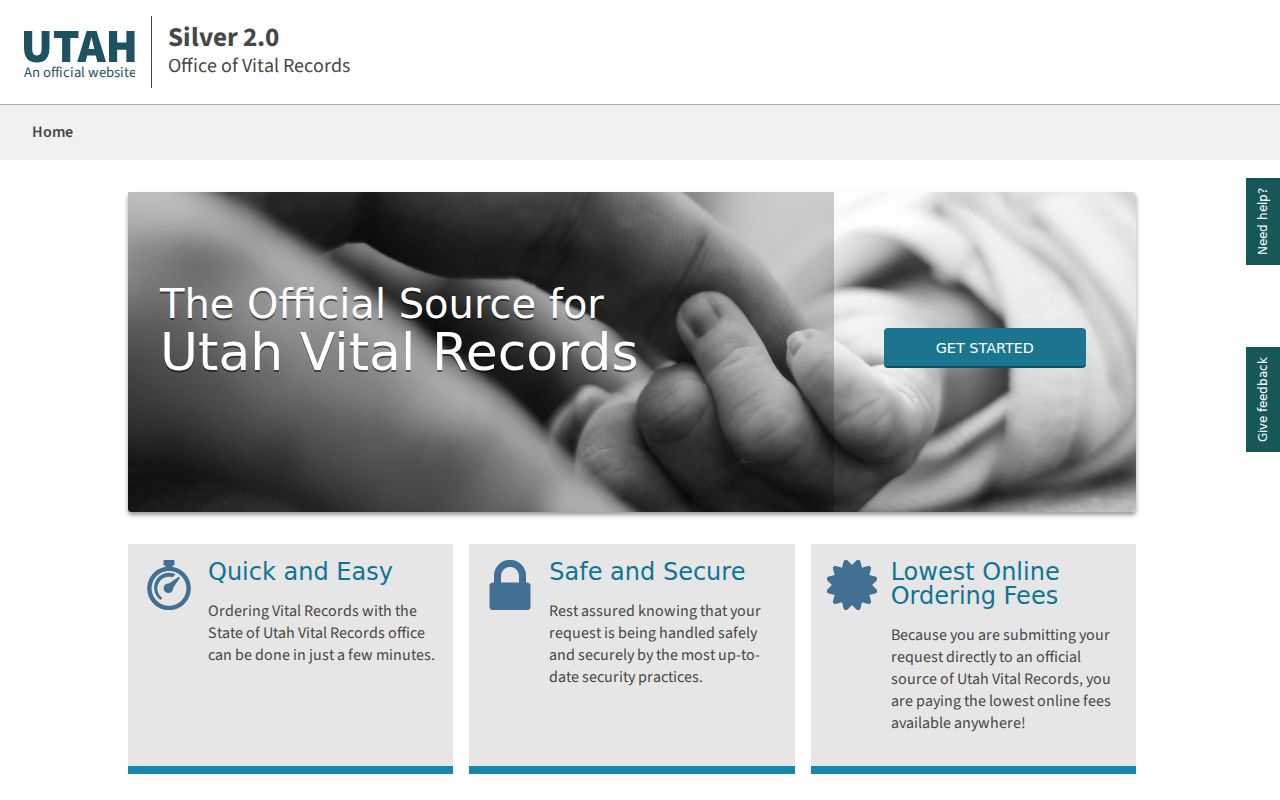
The OVRS portal handles eligible requests for Utah death and marriage records. An initial death certificate costs $30. Identity and legal interest govern access. The portal is the official order route. A certificate supports family-history research, though, and is not itself the conveyance. Utah's Office of Vital Records and Statistics provides the official certificate-ordering portal.
A vital record points to the court path. Then return to the deed and parcel record. For a public Kane civil or probate-related case, Utah Courts Xchange provides the case-search entry point. Some court records there are restricted or sealed. Not every result carries an electronic document.
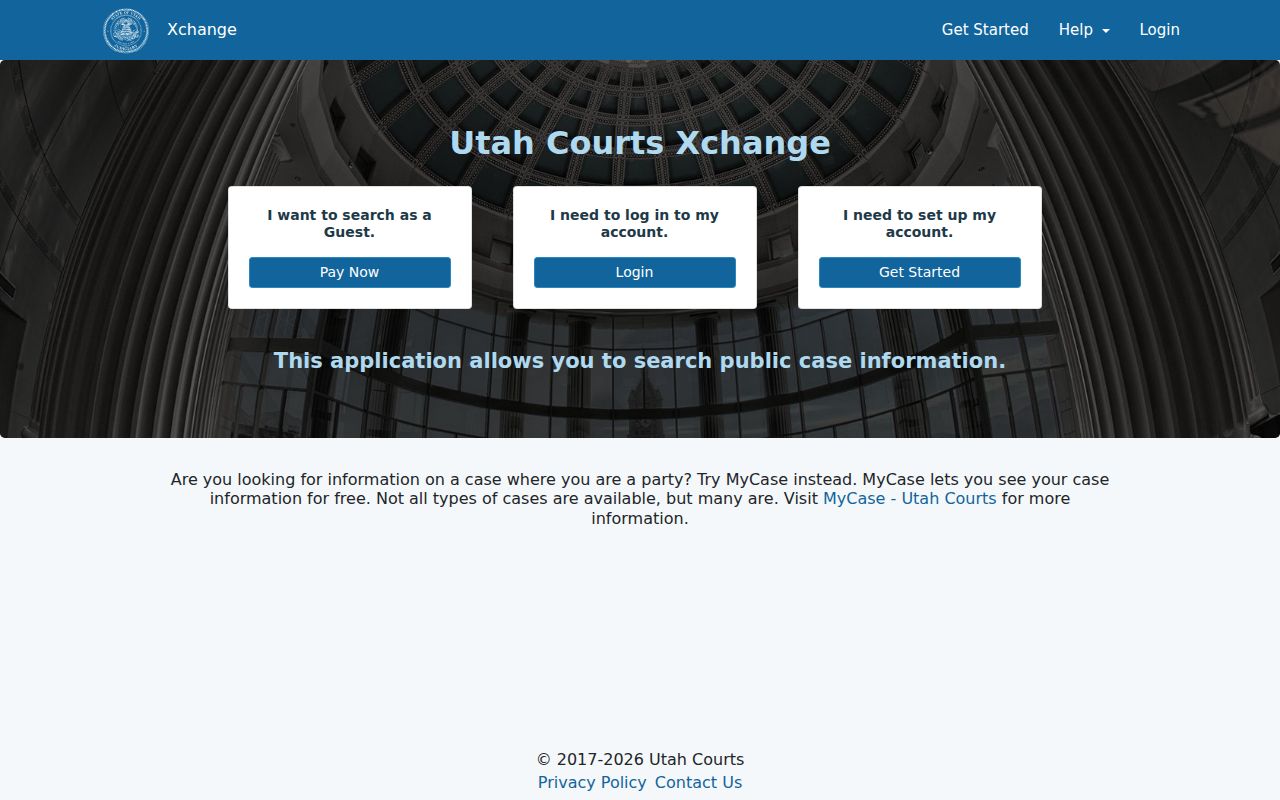
Use the case number and party names to follow an estate or property dispute. Then verify the change in the Recorder's land records.
When the Kane County Line Changed
An 1882 territorial boundary change shifted a large western area from Kane into Garfield County. A property from that period may not match its filing jurisdiction. The present county name can mislead. Check where the land sat at the time of the deed. A missing Kane entry is not always a broken chain.
Archives series and historic plats help place a tract within the earlier boundary. The legal description also helps. The county map shows present context only. Old conveyances may use a former county label, tract, or road name. The same property may need records from both counties.
Releases Are Not Prior Owners
Releases can clutter a deed index. A mortgage satisfaction, reconveyance, lien release, or release of lis pendens sits right beside the deeds. It clears or updates a claim. It does not pass the parcel. Match each release to its original instrument by number and legal description, then return to the deeds that built the transfer chain. Court disputes appear here too. A Kane Recorder entry on a lis pendens can point to a Utah Courts Xchange case, where the docket shows parties and history. The land record supplies the recorded notice. For document types and copy routes, see the Kane County deed records reference. Keep the former-owner search on prior grantees and the parcel's reach back in time.
How Far Kane Ownership Records Reach
The Recorder publishes no fixed start year for its online deed index, so treat any digitized run as partial. Utah Archives holdings open at 1850. The Kane probate series cover the periods listed above. Historic deed-book pages, directory runs, and any courthouse record-loss event go unmentioned in the office's official materials, so older ownership chains may survive only on paper at the courthouse.
Lawful use. Former-owner research supports property history, title work, estate questions, and due diligence. Do not use records to track, stalk, harass, or harm a living person.
Write down each source and date as you go. An old chain needs more than a screen. Where a historical chain matters, let the Recorder, Archives, the courts, and a title professional close the gaps instead of assuming one online result tells the whole story.